

Cameo
The search for my great-great-grandfather's shipwreck.

I have known my whole life that Thomas William Kew met an awful fate. It was no secret that he left Grimsby dock in late December 1915 and would not live to see Christmas. It was never in a whisper that I was told that my great-great-grandfather died in the freezing Scottish sea.
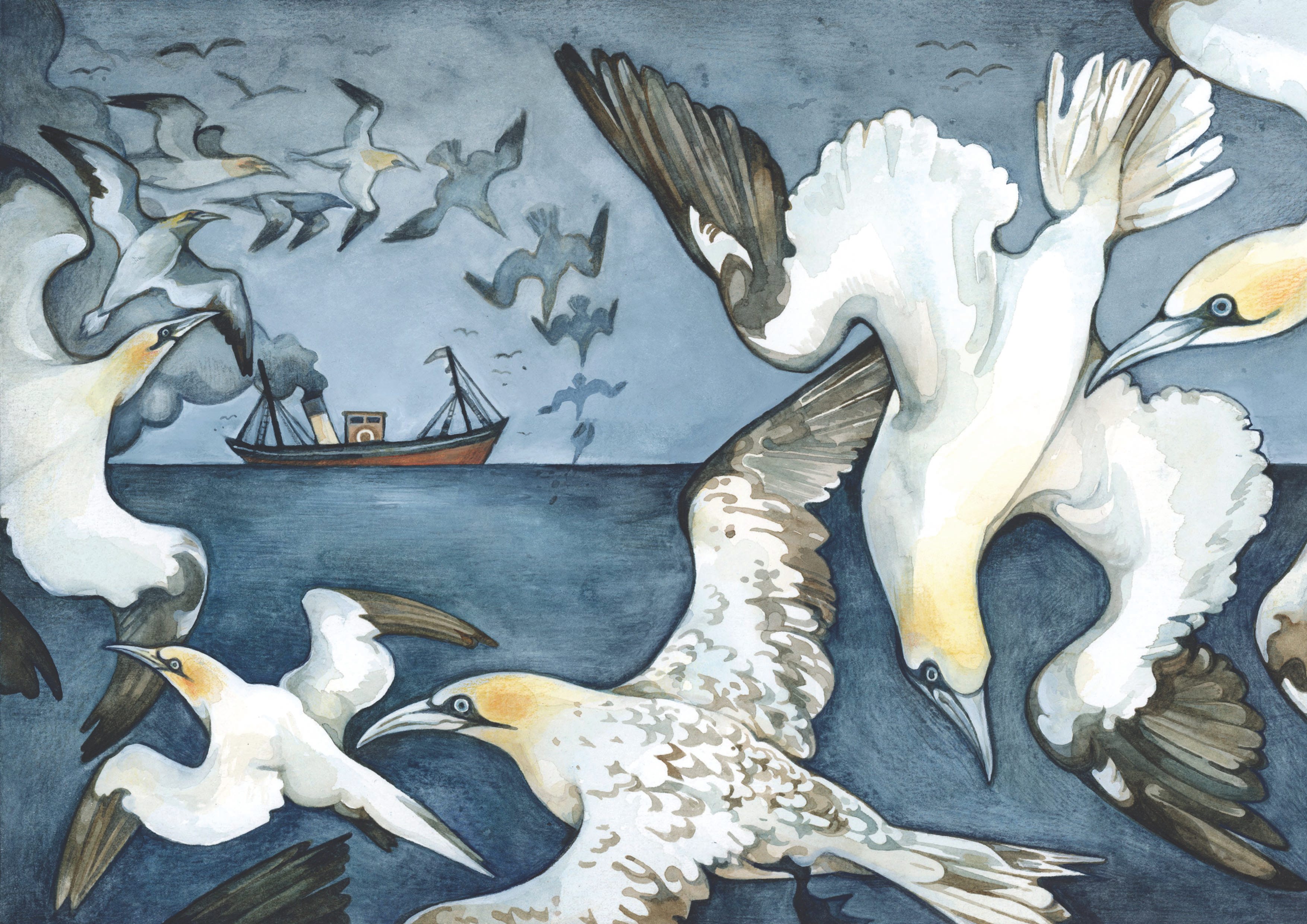
Until recently, this was where the tale ended. Thomas’ story has haunted me since I was a child, and yet, here I stood as an adult knowing next to nothing. The tragedy of his death still reverberates through my family in small ways. My Granny, Margaret, talks of Christmas soured for decades, that the day was introduced to her as one without cause for celebration.
I shared with my family my renewed interest in Thomas when, a few months back, a package arrived in the post. My Mum had forwarded me some scans unearthed in the back of a cupboard. I skimmed through them one evening, as my housemate narrated her day and prepared a meal. About two-thirds through the stack of ship logs, newspaper clippings, and accident reports, there he was. My first photo of Thomas. Our eyes met through paper and through time. The whole story had felt slightly fictitious until that point; it was a family folktale, woven with ample vagueness and brevity. But finally, I saw him, and he was exactly as I had imagined him. You could not doubt his profession, nor the time he lived. There is a glimmer of disdain in his expression for having his photo taken, a trait that has prevailed through his ancestors.
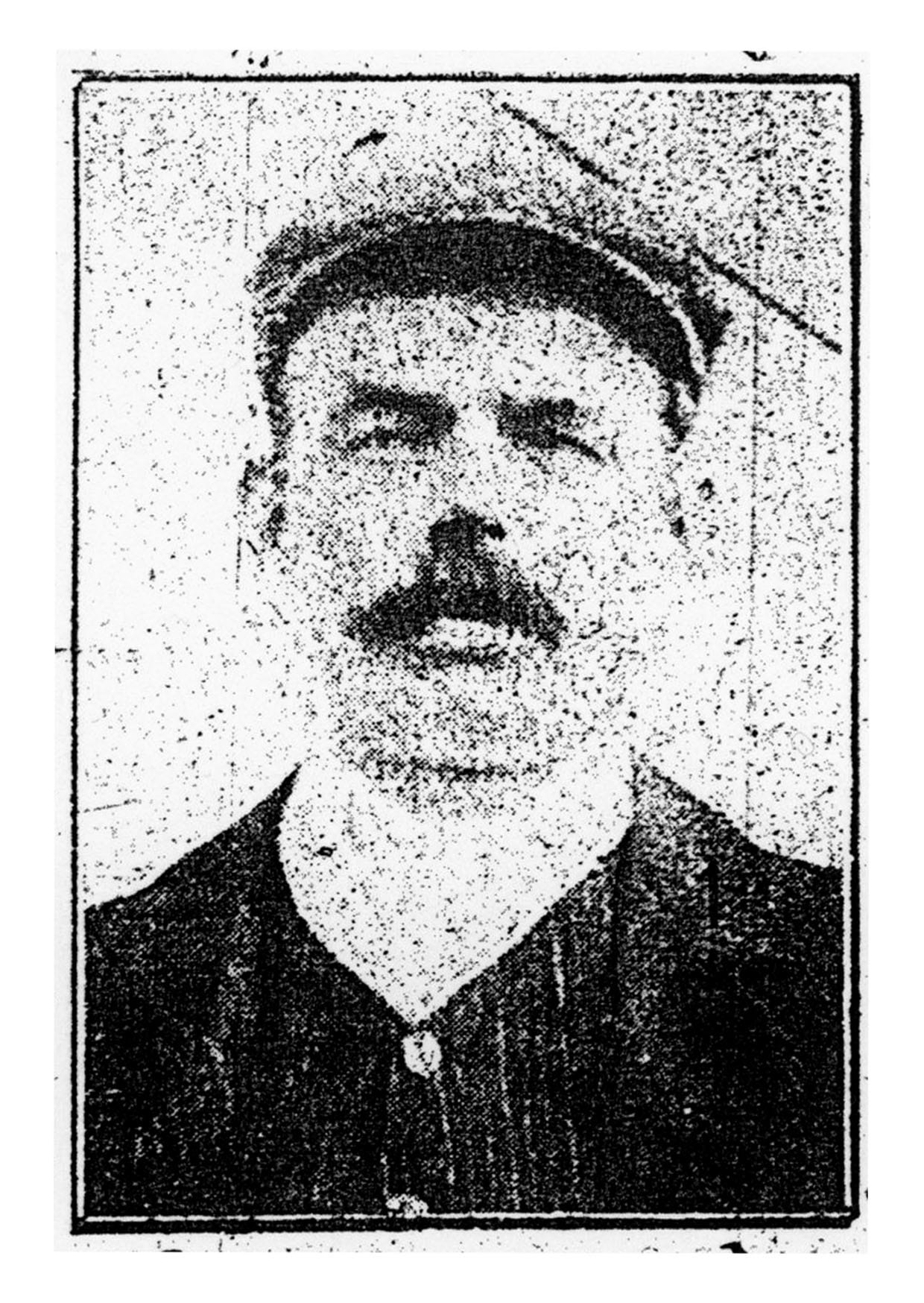
In that moment, I wished to ask him everything, for all the answers to be laid before me. I knew only one certainty: Thomas had lived, a man of flesh, blood and fears.
Thomas was the skipper of the FV Cameo, a steam trawler with a crew of twelve. On December 22nd 1915, they departed from their homes in Grimsby, in search of the rich fishing grounds around Iceland. They made their way up the east coast, edging further and further north along the chiselled teeth of our country. The men widened the space between them and their loved ones in Lincolnshire, prepared to sacrifice a Christmas with those they cherish most. How difficult it must have been, at any time, to turn your back on home comforts for a wholly unnatural life at sea. How strange it is for man to put his feet and his faith onto his own creation, all those many, impossible miles from solid land.
At the time, and as it is often today, trawling was seen as a scourge on the sea. It heralded the end of a way of life for many traditional fishermen; with the aid of steam power, a trawler was capable of collecting bounties of fish greater and quicker than any traditional methods. Thomas may not have been a fisherman in the way I imagined as a child, a Gansey-wearing, rod-wielding type, but I understand that he was a product of an industrial age, and the product of necessity.
In the early hours of Christmas Eve 1915, the Cameo was caught in a gale off the Aberdeenshire coast and relayed a distress signal to Peterhead via telephone. Lifeboat crews were summoned, but determined it was “suicide” to venture out into such a vicious sea.
The trawler was pushed towards Rattray Head, where anxious spectators, awoken as early as 5:30 by the vessel’s sirens blowing and flares lighting, watched on from the beach. Horses were brought from local farms to cart life-saving apparatus to the shoreline, ready for a rescue attempt when possible.
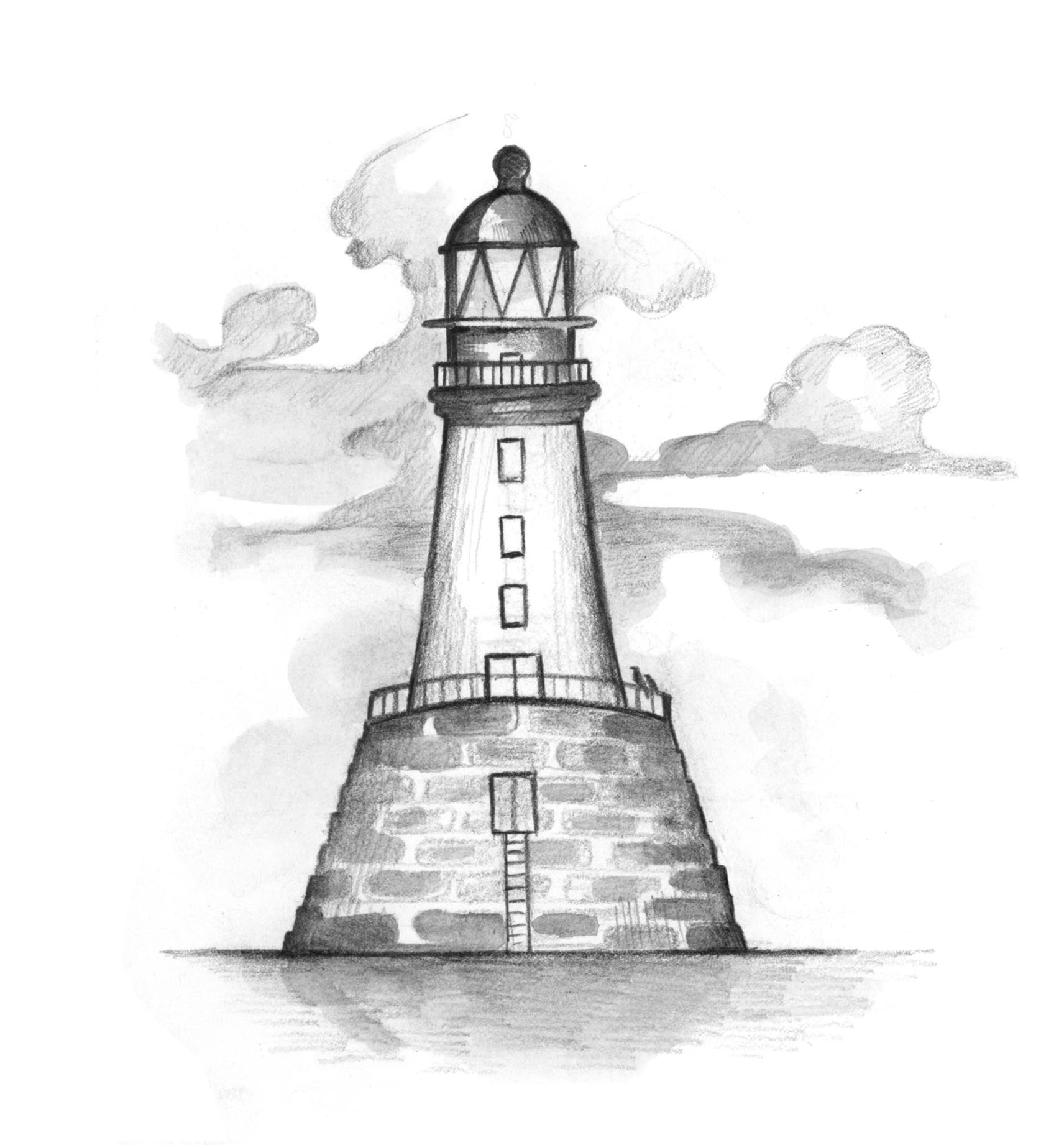
Rattray Head Lighthouse stood witness to the affair. A solid light born of reputed Stevenson brains and engineering. It was built in 1895 to guard the notorious Briggs below; ironically, its construction was repeatedly postponed due to scepticism over its necessity. On the morning of the 24th 1915, only ten of the twelve men were observed on Cameo by lighthouse officials; it is assumed that two men must have perished “before the disaster took place”.
On this day, there would be no heroes, only spectators. The Cameo was just out of reach of any help rescuers could offer. The lamplighters stood in the shelter of their tower and watched helplessly; their testimony recounts the day in explicit detail. By noon, they observed six men clinging to the rigging, but one by one they were washed into the sea, and when darkness fell, only two remained lashed to the foremast. By dawn of Christmas Day, there was no one to be seen. As the newspapers succinctly reported it: “All hands were lost.”
Slowly, the sea returned what it had taken, and the tide sporadically carried the dead to shore. Most came to Rattray Head, however, two were blown north to Cairnbulg Point. There is an instance of a body floating within reach of those onshore, only for it to be ripped from them by the strong backwash, where it was never seen again. From my research, I am unsure if all twelve bodies were recovered.
Although the lighthouse could offer no protection to the men while living, its cool store made for a mortuary to house the men’s bodies that were retrieved. Joseph Debham, co-owner of the Cameo, and Henry James Kew, Thomas’ younger brother and fellow trawlerman, ventured to Peterhead soon after the wreck. The men were tasked with identifying the bodies to the best of their abilities; however, they were unable to name any men besides Thomas. The other bodies were reported in the papers; their approximate ages, tattoos, and piercings were diligently recorded. Tattoos traditionally served sailors as markers of achievements, such as equator crossings or nautical miles journeyed, but also as a way to define themselves should the worst happen. One of the recovered crew’s bodies was described in papers as being around 23 years old, wearing earrings and having the names ‘Harold Wright’ and ‘George Webster’ tattooed on his arm. He was swiftly identified as 25-year-old deckhand Olley Browning.
Thomas’ body was returned home and is buried in Scartho Road Cemetery, Grimsby. A few of the other crew members were fortunate enough to have their families travel to Scotland to identify them, such as the ship’s steward Herbert Banks, who in February 1916 was repatriated to Cleethorpes. The rest of the crew, as far as I can tell, were not given homecomings. Local police authorities were reported to have made arrangements for their internment, however, this may be the greatest mystery of the Cameo as I have yet to find any trace of the location of the burial. I endeavour to find this more than anything.
In the wake of Thomas’s leave was the family he had made. His wife, Maria Pape, and four children: Jenny, Gladys, Horace (known as Bill) and the youngest Thomas, who was only three months old when his father died.
At the time, our country had no shortage of grief. The Great War was raging on the horizon, and by Christmas 1915, nearly 140,000 Brits had already been killed. Reports from the time confirm that it was a vile and unforgiving winter. The weather was miserable across Europe, and there would be no unofficial truce for the festivities, as there had been the previous year. Despite this, the names Thomas Kew and Cameo are echoed through countless columns in papers up and down the country. I am obviously biased, but I can surmise that Thomas and his men were well known among their community and greatly missed. The magnitude of reports on the wreck seems surprising considering the frequency with which similar ship wrecks happened, particularly in wartime, in which the dangers of maritime warfare added to the inherent risks of commercial fishing. The articles talk of his character, championing him as a man of great ability and one of the best trawler masters in Grimsby. He was not only part-owner of the Cameo, but of many other trawlers, including Worsley and Elaine, whose crews would have been among those inevitably mourning Thomas’ death.
My spark in uncovering the Cameo has been alongside a recent fascination with ‘great’ men of history. Namely, ill-equipped explorers cut from a different cloth, like Mallory, Franklin, and Scott, heading into the unknown in tweed suits and a potential knighthood to drag them forward. Their triumphs and failings are often prefaced by upper-crust accolades and remembered for their mortal sacrifice for their country. At the same time that Thomas was clinging to the rigging of his trawler, Ernest Shackleton had just watched Endurance sink beneath Antarctic ice, and was calculating his first march to safety. The Shackleton crew survived their ordeal; Thomas wouldn’t be so lucky, and yet I can’t help but think of him in many ways as an equal. Thomas may have been a Skipper, not a Captain, but he ventured out on the noble pursuit of feeding his rationing country. Thomas’ story is not unique, nor is the sacrifice he and many other working-class men gave for the greater good. Their contributions deserve our remembrance.
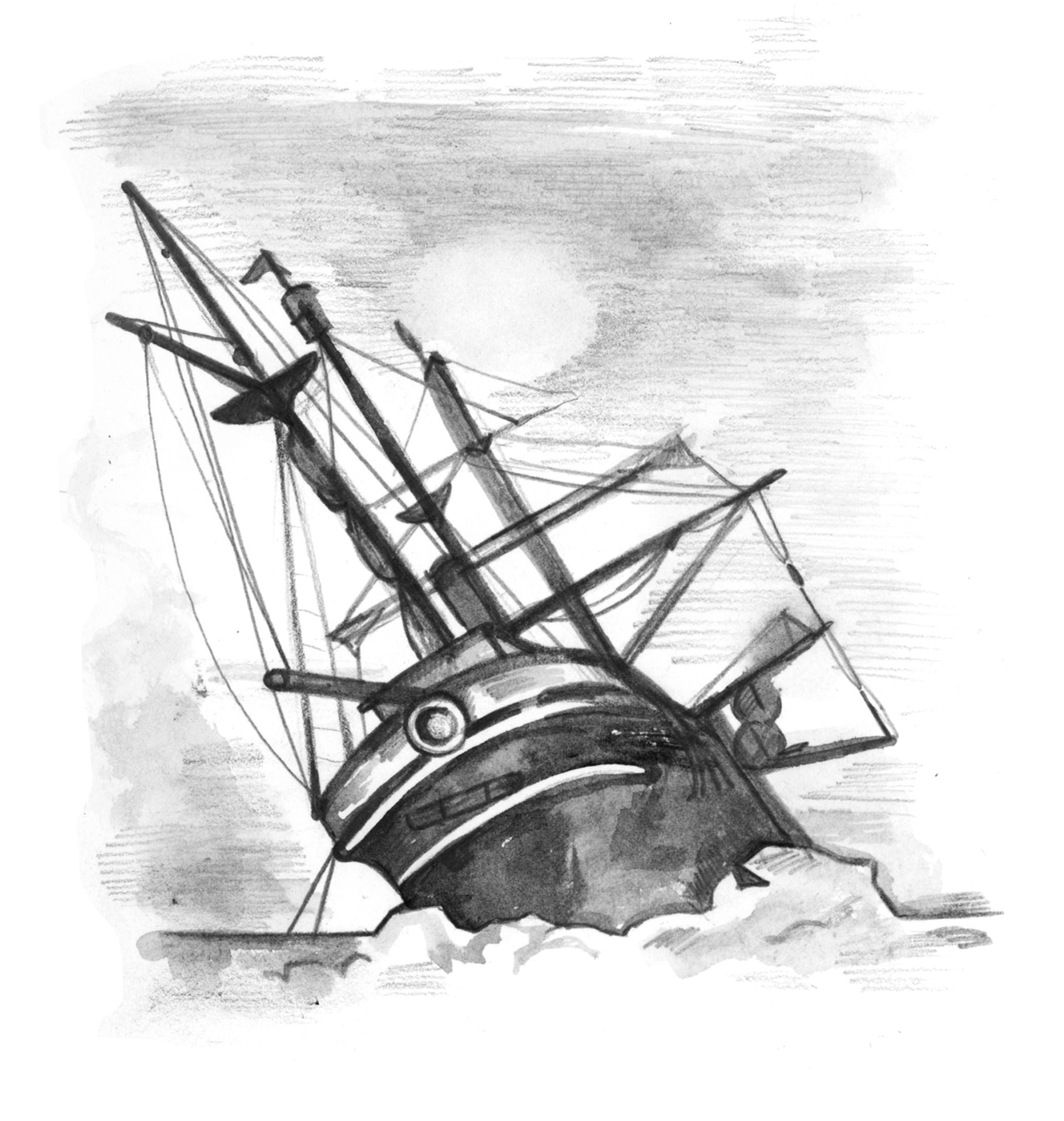
Thomas’ story was not all I unearthed in my papers. One of the biggest revelations came from the discovery of a family tree confirming a suspicion that I prayed was false. Thomas’s brother, Henry James Kew, the one who travelled to Scotland to identify his older brother’s body, also met his fate in a shipwreck. On November 8th 1919, the trawler Theban departed from Grimsby on a five-day fishing voyage. She did not return when expected and was pronounced missing.
The conclusion of her fate relies on the testimonies of fellow fishermen. On the 14th, the vessel Phoebe reported that she was in the company of an unknown trawler, fishing in a position roughly 65 miles from the Humber. A deafening bang rang out across the waves, and the crew witnessed a cloud of flame enveloping their unknown companion. Phoebe hurried to the scene, but all that remained were a few splintered pound boards floating on the waves. The Theban was the only vessel reported missing at the time, and was believed to be fishing in that locality. Ten men were there one second, and gone the next. Mines continued to add to the tally of war casualties long after the armistice. Henry and his crew were among these, dying pointlessly for a fight already resolved. Their names can be found immortalised on the Tower Hill Memorial in London. A memorial to Commonwealth merchant Navy and fishing fleet sailors who died during World War I and World War II, who have no known grave.
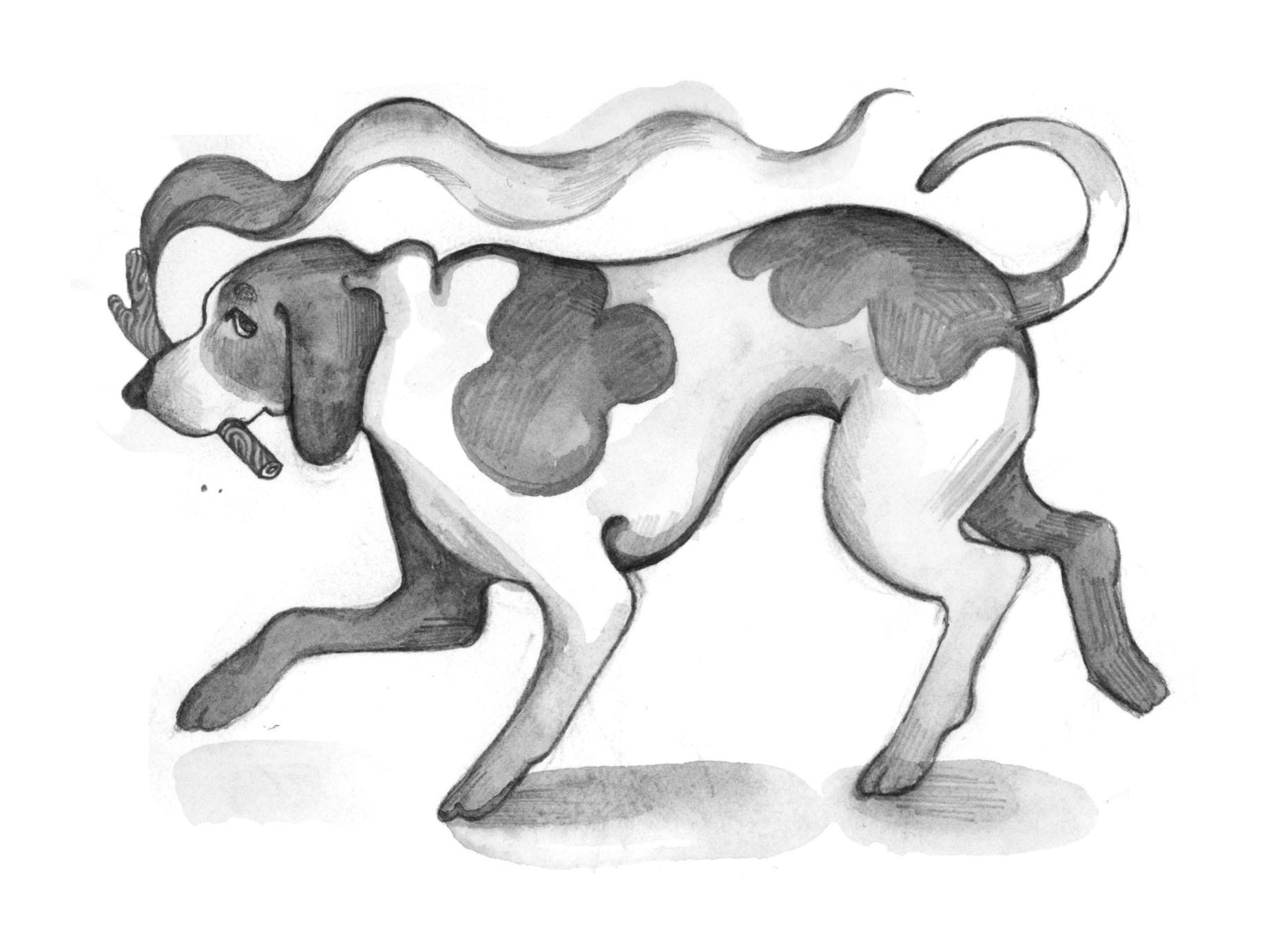
My research did not simply teach me about Thomas’ death, but of the turbulent and complex life that preceded it. Thomas William Kew was born in 1866 to parents John and Elizabeth Kew. He was one of eleven, born into a farming family from Glinton in Peterborough. Early census records report the family doing well, employing at least three hands on the farm. There is a jovial newspaper report from 1874 about a mischievous foxhound stealing smouldering flame from the kitchen hearth and setting alight some straw. I have little to go off, but I speculate these early years of Thomas’s life were some of the kindest to him.
By the time we next hear from the Kews, the first tragedy of Thomas’ life had already occurred. In 1880, I found Thomas as an inmate at Peterborough Union Workhouse. The sudden change in livelihood was likely due to bankruptcy, and sent at least five of the siblings, including Henry, into these awful conditions. At age thirteen, in Dickensian fashion, Thomas was tried for stealing a measly 8lb of bread. Thomas, alongside his equally young accomplice George Spriggs, was portrayed as a repeat offender given ample opportunities for redemption. His prosecutor, who called him “incorrigible”, asked why he had done it. Thomas replied unsatisfyingly, “Because I was hungry”. Punishment was given regardless because the boys were ‘rosy cheeked’ and therefore well fed. They were subjected to seven days of hard labour in the ‘gaol’.
In the census the following year, Thomas is no longer at the workhouse but is back living with his father in Northborough, Peterborough. On this record, many names from the family are absent, including his mother. Only his brother Charles and sister Harriet are recorded as living with him, alongside a lodger named James Thorpe, from Nottingham.
In the time and mystery of missing records, I next find the boys as men. Thomas and Henry had found their way to the North Lincolnshire coast, seemingly as apprentices to ship builders. They had climbed out of poverty and had begun to make a living for themselves at sea.
Thomas’ earlier career as a trawlerman wasn’t without turmoil. In 1899, Thomas got into trouble with Danish authorities. He was the skipper of the trawler Sir Galahad when he was accused of fishing in restricted waters near the Faeroes. The boat was seized, and although it supposedly had no fish aboard when searched, he was arrested. Thomas denied illegal fishing; however, in his frustration remarked that the captain of the Danish cruiser was drunk and meddling with British ships. Thomas, hardened by life, had learnt when to dig his heels in and fight. His stubborn, tenacious nature seemed his greatest protector, but also his greatest downfall. In this instance, it cost him greatly; £120 of fishing nets were confiscated, and he was sentenced to two months’ imprisonment in Tórshavn.
For some time, Thomas lived on Fairbrother Street in Grimsby, across the street from Maria Pape, whom he would marry on 18 June 1901. Together, they had four children. Their second daughter, Gladys Kew, would grow to have a family of her own. She is my direct line to Thomas, her daughter Margaret is my grandmother on my maternal side. For Thomas, like the thousands of men of the era who died far from home, his grief and legacy is carried by the women left waiting on the shore.
110 years separate that horrific day from this, and yet the Cameo and her men are very much alive in my mind. I think of Thomas whenever I am by the sea, or whenever I swim in the same Scottish tides that took his life. I imagine his dismay at my naivety, or his possible relief that his ancestors have made peace with something that brought us pain for so long.
This will not be the end of this research, nor of the legacy of Thomas and his crew. I am planning a visit to Rattray next year, and I hope to have more questions answered by then.
For now, I dedicate this to the crew of the Cameo and Theban. May the boys rest. Those whose bodies lay in soil, and those who lay beneath waves.
I will see you soon, happy Christmas and best wishes for the new year.
Yours,
Grace x